
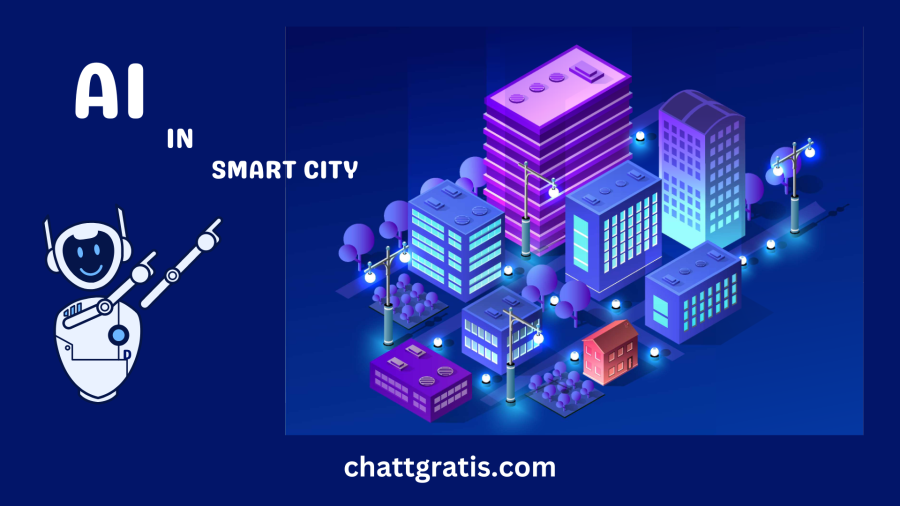
The Role of AI in Smart Cities
Introduction: In recent years, the concept of smart cities has gained significant momentum as urban centers worldwide seek innovative solutions to enhance the quality of life for their residents. Central to this transformation is the integration of artificial intelligence (AI) technologies. By leveraging the power of AI, cities can optimize various systems and processes, leading to improved efficiency, sustainability, and overall well-being. In this article, we will explore the vital role of AI in shaping smart cities and how it contributes to making urban environments more livable and environmentally friendly.
-
Enhancing Infrastructure Management: AI plays a crucial role in managing the intricate infrastructure networks of smart cities. By analyzing data from sensors, cameras, and other IoT devices, AI algorithms can detect anomalies, predict failures, and enable proactive maintenance. This approach helps prevent system breakdowns, reduces downtime, and minimizes disruptions, ensuring a reliable and efficient infrastructure that can support the growing urban population.
-
Optimizing Energy Consumption: Energy efficiency is a key focus in building smart cities. AI-powered systems can collect and analyze vast amounts of data from smart meters, weather conditions, and building sensors to optimize energy consumption. AI algorithms can dynamically adjust lighting, heating, and cooling systems based on occupancy patterns, resulting in significant energy savings. Additionally, AI can facilitate the integration of renewable energy sources into the grid, improving sustainability and reducing carbon footprints.
-
Intelligent Transportation and Mobility: AI revolutionizes transportation systems within smart cities, making them more efficient, safe, and sustainable. AI algorithms can analyze real-time traffic data to optimize traffic flow, reduce congestion, and enhance public transportation services. Additionally, AI-powered applications can provide commuters with personalized recommendations for the fastest routes, helping them save time and reduce emissions. Furthermore, autonomous vehicles, guided by AI, have the potential to transform urban mobility, reducing accidents and congestion while improving overall transportation efficiency.
-
Enhancing Public Safety and Security: AI technologies significantly contribute to enhancing public safety and security in smart cities. Intelligent video surveillance systems, powered by AI algorithms, can analyze live feeds and detect anomalies, such as suspicious activities or objects, enabling real-time threat detection and immediate response. AI can also facilitate predictive policing by analyzing historical crime data and identifying high-risk areas, enabling law enforcement agencies to allocate resources effectively.
-
Waste Management and Environmental Sustainability: AI plays a vital role in optimizing waste management processes in smart cities. By leveraging AI algorithms, cities can monitor waste collection routes, predict fill levels in trash bins, and optimize collection schedules. This data-driven approach reduces operational costs, minimizes fuel consumption, and ensures efficient waste management practices. Furthermore, AI can assist in environmental sustainability efforts by analyzing data on air quality, water consumption, and waste generation, helping cities implement targeted measures to mitigate environmental impacts.
Conclusion: As the world becomes increasingly urbanized, the adoption of AI technologies in smart cities becomes imperative. From infrastructure management to energy optimization, transportation efficiency to public safety, AI is transforming urban environments, making them more efficient, sustainable, and livable. By embracing AI's potential and leveraging data-driven insights, cities can address challenges, improve quality of life, and create a more sustainable future for their residents. The role of AI in smart cities is not just about technological advancements but about building thriving communities that prioritize efficiency, sustainability, and the well-being of their inhabitants.


Comments (0)